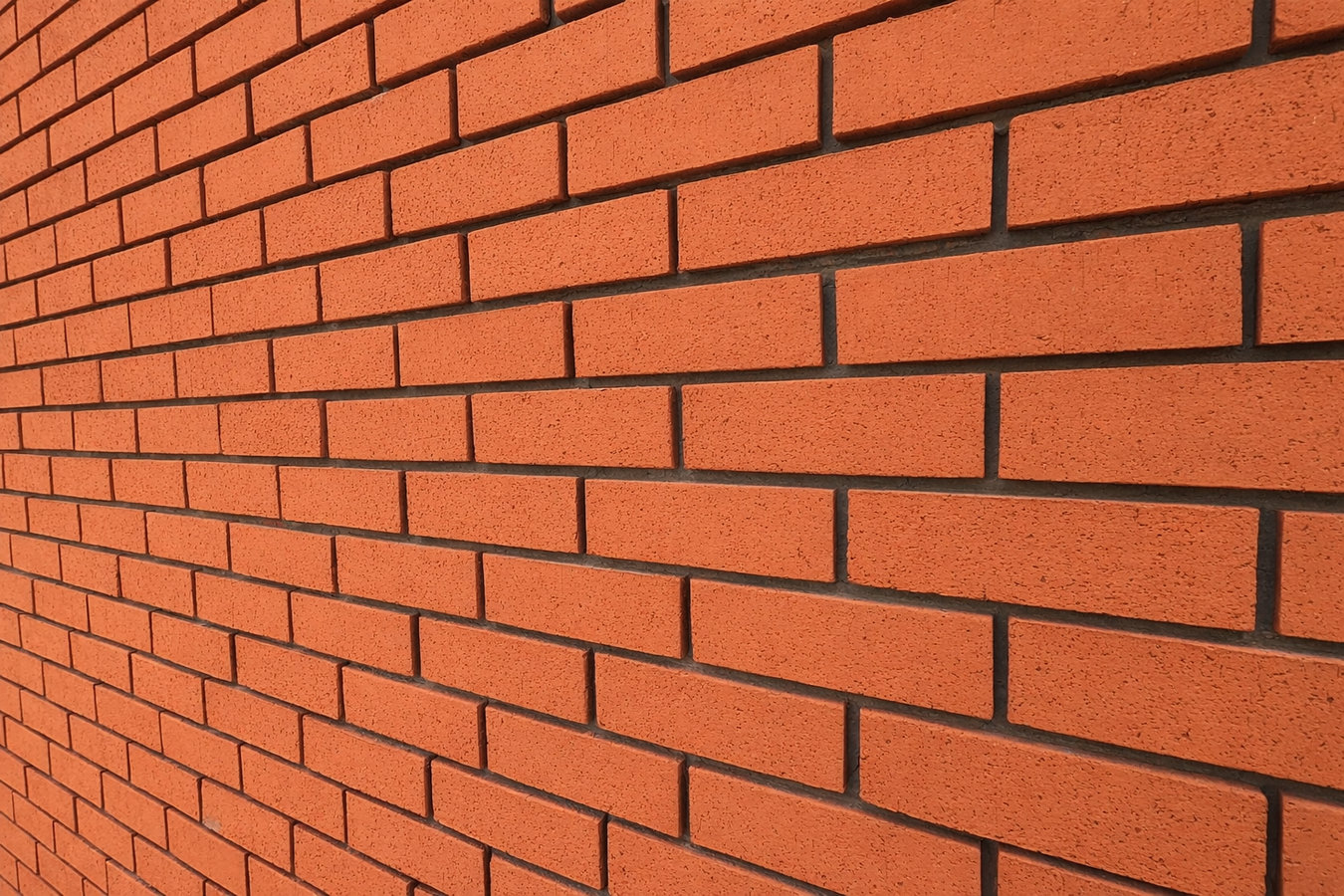
Crumbling mortar joints let water in and weaken your brick walls. We remove the failed material and pack in fresh mortar - restoring strength and stopping damage before it gets expensive.
Tuckpointing in Tulare means removing old, crumbling mortar from brick or block joints and packing in fresh material to seal out water and restore wall strength - most residential jobs take one to three days depending on the area affected.
Mortar is softer than brick by design - it absorbs stress so the bricks themselves stay intact. But Tulare's summer heat above 100 degrees and the valley's damp tule fog winters work against mortar faster than in milder climates. When joints fail, water gets behind the brick and the damage compounds season after season. If you have an older home near downtown, there is a reasonable chance the mortar has never been replaced and is past its useful life.
Tuckpointing often pairs with brick repair when individual bricks have cracked or shifted along with the joints.
Run your finger along the joints between your bricks. If the material feels soft, powdery, or flakes off with light pressure, it has lost its integrity. Healthy mortar should feel hard - almost like the brick itself. This check takes about two minutes.
Stand back and look at your wall or chimney from a few feet away. If you can see dark lines, gaps, or missing chunks where mortar should be, water is already getting in. In Tulare, this is worth checking every spring after the tule fog season clears.
A chalky white residue on your brick faces is called efflorescence - it is the salt left behind when water moves through the wall and evaporates on the outside. It is a reliable sign that moisture is traveling through your masonry, usually through failed mortar joints.
If bricks appear to be bulging, leaning, or sitting slightly out of line, the mortar holding them has likely failed structurally. Tulare's clay-heavy soils expand and contract seasonally, and that movement tends to show up first at corners and near the base of walls.
We handle tuckpointing on chimneys, exterior walls, garden walls, retaining walls, and brick veneer facades. Every job starts with the same process: carefully grind or chisel out the old mortar to the right depth, clean the joints, and pack in fresh mortar in careful layers. Rushing this process leads to repairs that fail within a season, so we take the time to do it right.
For walls where individual bricks have cracked or shifted, tuckpointing pairs naturally with brick repair. And when the mortar deterioration has progressed to the point where joints look uneven or discolored across a larger area, we also offer brick pointing to restore a consistent, clean finish across the full surface.
Best for chimneys showing gaps, staining, or crumbling joints on any of the four exposed sides.
Suits brick veneer facades and structural walls that have aged mortar across large sections.
Ideal for freestanding decorative or functional walls where water intrusion can accelerate cracking.
Tulare sits in the San Joaquin Valley, where summer temperatures regularly exceed 100 degrees and tule fog blankets the area from November through February. That combination - sustained heat followed by months of damp, cool air - is one of the hardest weather patterns on mortar joints in California. Heat causes mortar to dry out and shrink. Then fog and winter moisture seep into those open joints, and when overnight temperatures drop, trapped moisture expands slightly and widens the cracks. Over several seasons, this cycle does real damage without any visible single event.
Many homes in older Tulare neighborhoods were built between the 1920s and 1960s with mortar that is now well past its natural lifespan. Homeowners in those areas - and those near Visalia and Porterville - often discover failing mortar in the spring after a particularly foggy winter. Catching it then, before the next hot summer drives more moisture deep into the wall, is almost always the cheaper path.
Reach out by phone or the form on this page. We respond within 1 business day. Tuckpointing is one of those jobs where scope can vary a lot, so we always want to see the work in person before quoting - no cost to you.
We walk the area with you, check mortar depth and deterioration, and look at access needs. You receive a written estimate with scope, materials, timeline, and total cost before any commitment.
We grind or chisel out old mortar to the correct depth, clean the joints, and pack in fresh mortar in careful layers. In summer heat, we work early morning hours and protect fresh mortar from drying too fast.
After the work, we clean the area and walk through the job with you. Fresh mortar needs 24 to 48 hours before it gets wet and up to four weeks to reach full hardness - we explain the curing timeline before we leave.
We respond within 1 business day - no obligation. After you submit, someone from our office will call to schedule a free on-site estimate at a time that works for you.
(559) 837-6698California requires all masonry contractors to hold a valid C-29 license issued by the Contractors State License Board. You can verify ours before signing anything. That license means you have real state-backed recourse if anything ever goes wrong.
We select mortar mix based on your wall's age and composition, not a one-size-fits-all product. Older Tulare homes often need a softer lime-based mix - using a modern hard mortar on them can crack the bricks themselves. Getting this right is the difference between a repair that lasts 25 years and one that fails in two.
Mortar packed in Tulare's peak summer heat dries too fast if the mason is not careful. We schedule early morning hours and protect fresh joints during curing so the mortar bonds properly. A rushed job in August looks fine for a month and fails by the following spring.
We are based in Tulare and serve the surrounding Central Valley, from Visalia to Porterville and beyond. Local knowledge matters on tuckpointing jobs - we know the housing stock, the soil conditions, and the seasonal patterns that affect how repairs should be approached here.
Quality tuckpointing done right stops water intrusion for decades. We bring the right materials, the right timing, and the right local knowledge to every job in Tulare. The Brick Industry Association recommends professional repointing when mortar has deteriorated to more than a quarter inch in depth.
When individual bricks have cracked, spalled, or shifted out of alignment, targeted brick replacement restores the wall's appearance and structural integrity.
Learn MoreFor larger wall surfaces where joints need a consistent finish across the entire face, brick pointing delivers a uniform result that blends seamlessly with existing masonry.
Learn MoreOpen mortar joints get worse with every season - call today and schedule your free on-site tuckpointing estimate in Tulare.