Tulare Masonry & Concrete is a masonry contractor serving Selma, CA with driveway pavers, brick repair, and retaining wall construction. We have served homeowners throughout Fresno County since 2015 and provide written estimates with a one business day response on every inquiry.
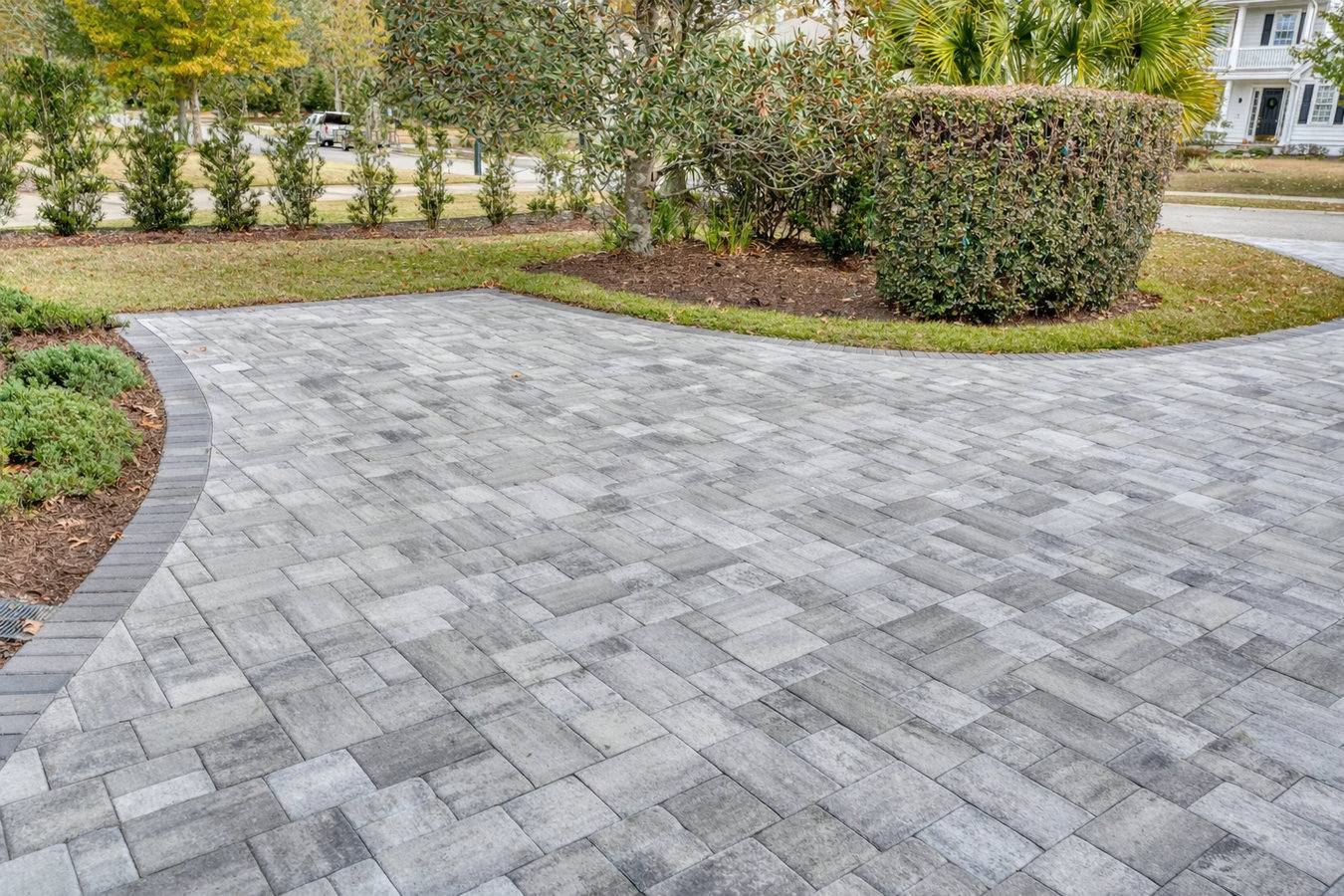
Selma driveways take a beating from the combination of clay soil that shifts under every wet-dry cycle and summer heat that regularly tops 105 degrees F - two forces that crack poured concrete slabs over time. Paver driveways handle that ground movement better than a single rigid slab because individual pieces can flex slightly without fracturing. Our driveway paver installations include proper base excavation and compaction suited to Fresno County clay, so the surface stays level through multiple rainy seasons.
Many Selma homes built in the 1950s through 1970s still have their original brick chimneys, garden walls, and veneer facades - structures that have spent decades in Fresno County heat and tule fog without a professional inspection. Mortar joints from that era soften and erode well before the bricks themselves fail, and once moisture gets behind the facade during winter rains, damage compounds quickly. We replace cracked and spalled bricks and repoint deteriorated joints before water reaches the structure behind the wall face.
Selma properties with raised planting beds, grade changes along property lines, or eroding soil behind existing walls need block or stone retaining walls built for the expansive clay that is standard in this part of Fresno County. That clay exerts real lateral pressure against any wall in its path when it swells in winter. We build retaining walls with footings sized for local soil conditions and drainage provisions that keep water from accumulating behind the base and pushing it out of alignment.
The clay soil across Selma shrinks hard during the six-month dry season and swells back every winter - a cycle that puts cumulative stress on concrete slab foundations. The evidence shows up as doors that stick seasonally, floors with a noticeable slope, and diagonal cracks above window and door frames. Ranch-style homes built in the 1960s and 1970s - the dominant housing type in Selma - have lived through enough of those cycles that foundation assessment and repair are commonly needed, especially if the home has not been looked at in ten or more years.
Homes built before 1980 in Selma commonly show mortar joints that have pulled back from the brick face after years of Valley heat and seasonal soil movement. Tuckpointing removes that degraded material and replaces it with fresh mortar before the tule fog season works moisture into open joints and causes bricks to shift. Addressing open joints early costs significantly less than replacing entire brick sections after water damage sets in.
Selma homes with cracked or uneven concrete walkways - a common sight in neighborhoods where the original flatwork was poured in the 1960s and 1970s - present a real trip hazard and reduce curb appeal. We build new concrete and paver walkways with proper sub-base preparation matched to Fresno County clay soils, so the finished surface holds its level through the seasonal ground movement that lifted and tilted the old one.
Selma sits in the San Joaquin Valley on clay-heavy Fresno County soil that behaves very differently from the sandy or rocky soils found in other parts of California. That clay swells when the winter rains arrive, sometimes significantly, and shrinks back hard during the long dry season from May through October. The cycle repeats every year without fail, and the cumulative stress it places on concrete slabs, block walls, driveways, and paver installations is one of the main reasons masonry work is in steady demand across the city. A homeowner who has lived in Selma for twenty years has watched that movement work on their property for twenty consecutive seasons - and the cracks in the driveway, the leaning section of block fence, and the sticking back door are all telling the same story.
The climate presses on masonry from the other direction as well. Summers in Selma regularly push past 105 degrees F and stay there through most of July and August. That sustained heat causes concrete and mortar to expand and contract daily, wearing down joints faster than in milder coastal climates. Then from December through February the tule fog settles in, and any joint or crack that opened up during the summer drying cycle collects moisture and holds it for weeks. The ranch-style stucco homes and concrete block perimeter fences that define most Selma neighborhoods were not built to handle indefinite deferred maintenance in these conditions. Catching masonry problems at the early stage - before moisture reaches structural layers or soil pressure cracks a footing - is reliably less expensive than waiting until the damage is obvious.
Our crew works throughout Selma regularly and pulls permits through the City of Selma Building Division when the scope of work requires it. We have worked on properties across the city since 2015 - from the older ranch homes and stucco-sided houses near the Historic Downtown district along High Street to the newer subdivisions that spread out on the north and east sides of town through the 1990s and 2000s. The older blocks closer to downtown tend to need mortar restoration, brick repairs, and foundation assessment on structures that have been standing for 50 to 70 years. The newer neighborhoods are reaching the age where first-generation concrete driveways, walkways, and patio slabs are cracking from the same clay soil movement that has always affected this part of the Valley.
Selma is located about 15 miles south of Fresno along Highway 99, which makes it a straightforward drive for our crew from Tulare. The city is well-known in the region as the Raisin Capital of the World, and the agricultural character of the area is visible in every direction - vineyard rows start just outside the city limits. Most properties in Selma are owner-occupied single-family homes on modest lots, and the homeowners here are practical and direct about what they need and what they are willing to spend.
We also serve neighboring Kingsburg just to the south, and Dinuba to the southeast - both cities share the same clay soil conditions and similar housing stock as Selma, so our crew moves between them regularly.
Call us or submit a contact form and you will hear back within one business day. We will ask a few questions about the project and schedule a time to come out - you do not need to have dimensions or drawings ready, just a description of what you are seeing.
We come to your Selma property, look at the actual conditions - not just photos - and explain what we find and what the options are. You receive a written estimate with a clear scope before any work begins. We will also flag whether a permit is required for your project and handle that process if it is.
We schedule around your property and the Selma climate - mortar and concrete work in summer is done in the morning hours when temperatures are lower and materials cure correctly. You do not need to be home for exterior work, but we will confirm access requirements upfront.
When the job is finished, we walk the site with you so you can see exactly what was done and ask any questions. If anything comes up after we leave - a question about curing time, a concern about a related area - you have a direct line back to us.
We work in Selma regularly and can usually schedule an on-site assessment within a few days. One business day response on every inquiry.
(559) 837-6698Selma is a city of about 24,000 people in Fresno County, sitting along Highway 99 roughly 15 miles south of downtown Fresno. The city has built its identity around agriculture - it is widely known as the Raisin Capital of the World, and the vineyards and farmland surrounding the city are central to local life. The annual Raisin Festival draws the community together every spring and reflects the agricultural pride that runs through most of Selma. The majority of Selma households are owner-occupied, which means most homeowners here have a direct stake in keeping their properties in good shape for the long term.
The housing stock reflects the city's growth through the mid-twentieth century. A large share of Selma homes were built between the 1950s and 1980s - primarily single-story ranch-style houses on lots of 6,000 to 8,000 square feet, with stucco or wood exteriors, attached garages, and concrete block perimeter walls. Newer subdivisions fill the north and east edges of town, but the neighborhoods closer to the Historic Downtown along High Street have the older building stock that typically needs the most masonry attention. We work across all of these neighborhoods. We also serve Fresno to the north and Kingsburg just to the south, so if you have family or neighbors in either city who need masonry work, we cover those areas too.
Restore structural integrity and stop foundation damage before it spreads.
Learn MoreBuild solid retaining walls that control erosion and define your landscape.
Learn MoreBring aging masonry structures back to their original strength and beauty.
Learn MoreEnhance any surface with the timeless look of natural stone veneer.
Learn MoreConstruct strong, long-lasting block walls for any property application.
Learn MoreBuild a reliable block wall foundation designed to support your structure.
Learn MoreCreate a custom outdoor kitchen built from quality masonry materials.
Learn MoreDesign and install safe, beautiful walkways that complement your property.
Learn MoreBuild attractive brick walls that add character and value to your property.
Learn MoreCall us or submit a contact form and we will respond within one business day with a written estimate for your Selma property.