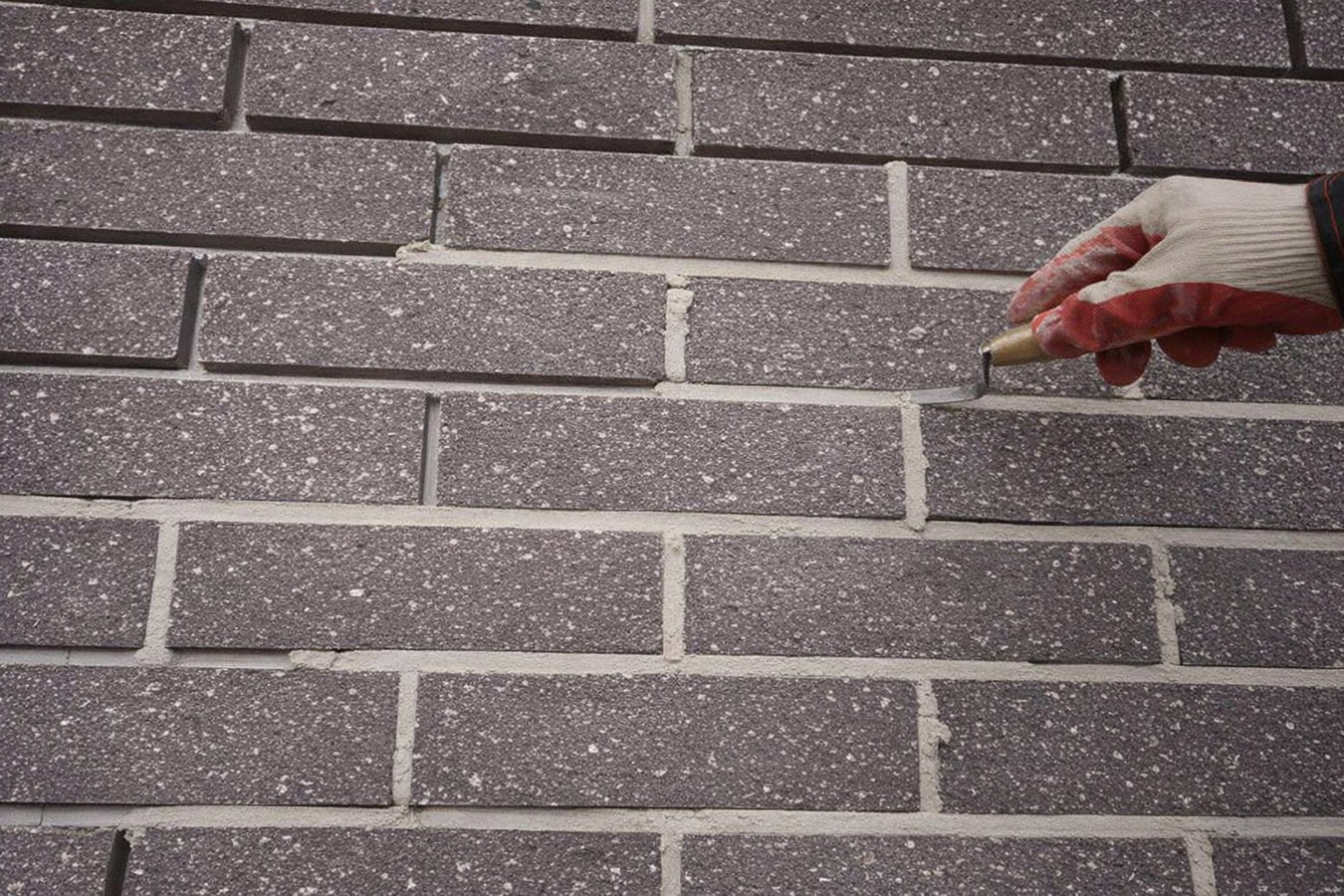
Crumbling mortar joints let water into your chimney, walls, and foundation. Tulare's heat and hard water make it worse fast. We repoint brick on chimneys, exterior walls, and garden features - mortar color-matched, work done in one to three days, written estimate before we start.
Brick pointing in Tulare, CA is the process of removing old, crumbling mortar from between bricks and replacing it with fresh mortar matched to the existing brickwork - most single-family home jobs are completed in one to three days and do not require you to leave your home.
The mortar between bricks is softer than the bricks themselves - by design. It acts as a cushion and absorbs movement so the bricks do not crack. Over time, Tulare's sustained heat, winter moisture cycles, and hard-water mineral buildup break that mortar down. Once joints start to fail, water gets in. In older Tulare homes - many built between the 1940s and 1970s with brick chimneys and decorative brick accents - mortar that has been weathering for 50 or more years is often at or past the end of its useful life.
Homeowners with brick structures that have lost individual bricks or developed wider damage beyond the mortar joints should also consider foundation repair if water has already reached the base, or masonry restoration for more extensive work across multiple surfaces.
Stand a few feet back from any brick wall, chimney, or column on your property. If you can see gaps, dark hollows, or material that looks like it is flaking away, the joints need to be replaced. You should not be able to poke a finger or a key into the space between bricks.
A white, chalky residue on your bricks is called efflorescence - water is moving through the wall and carrying mineral salts to the surface. In Tulare, where winter rains follow months of dry heat, this pattern is common on older brick chimneys and exterior walls. Failing mortar joints are usually the entry point.
After Tulare's long hot summers, chimney mortar often shows visible shrinkage - joints look recessed more than a quarter inch from the brick face. If the mortar line has pulled away from the edges of the bricks, or if you can see daylight through a joint when you look at an angle, it is time to call a mason.
If you notice water stains on an interior wall near your fireplace, or dampness on a wall that backs up to exterior brick, failing mortar joints are a likely cause. In older Tulare homes, brick chimneys are a common source of interior water intrusion during the rainy season. Address the masonry before visible mold or drywall damage develops.
We repoint brick on chimneys, exterior walls, garden walls, retaining walls, and columns throughout Tulare. The process starts with removing old, failing mortar to the correct depth using small grinders and hand tools - this creates some dust and noise outside, but your daily routine inside the house is largely unaffected. We then mix fresh mortar matched to your existing brickwork, pack the joints fully, and finish them to a consistent profile. The critical step that separates good work from poor work is mortar selection: using a mix that is too hard for older bricks forces stress into the brick faces and causes them to crack or spall over time. We assess your existing mortar before mixing anything new.
Brick pointing often pairs naturally with other masonry maintenance. When we find bricks that are cracked or spalling alongside deteriorated joints, masonry restoration addresses the wider scope of the damage. For homeowners concerned about water reaching the base of a structure, foundation repair can be assessed at the same time so you address both problems in a single project visit.
For homeowners whose chimney mortar has deteriorated from Tulare's heat-and-moisture cycle, causing white staining, crumbling joints, or interior water intrusion near the fireplace.
For homeowners with brick accent walls, decorative columns, or brick sections on their home exterior where mortar has shrunk, cracked, or fallen away.
For homeowners with older brick garden walls or low retaining walls where gaps between bricks have opened up and are allowing water and soil to shift.
For homeowners with isolated areas of joint failure on otherwise sound brickwork - targeted repairs to specific sections rather than a full-wall repoint.
Tulare sits in the southern San Joaquin Valley, where summer temperatures regularly climb above 100 degrees Fahrenheit and heat waves above 110 degrees are not unusual. That sustained heat causes mortar joints to expand and contract repeatedly through the summer, which breaks them down faster than in milder climates. Tulare's famous Tule fog and winter rain events then bring moisture into joints that heat has already weakened - and when water gets into failing mortar and the temperature drops overnight, it pushes the mortar apart further. Homeowners in Tulare often notice the most visible damage in late winter or early spring, right after the wet season ends. A mason who works in this specific climate knows that mortar cures best when temperatures are moderate, which is why spring and fall are the preferred scheduling windows.
Many homes in Tulare's established central neighborhoods were built between the 1940s and 1970s, when brick chimneys and decorative brick accents were common. Mortar from that era is now 50 or more years old and much of it is past its useful life. We serve homeowners throughout the region, including Porterville and Hanford, where the same Valley climate and housing stock conditions apply. The Brick Industry Association sets the national standards for mortar joint depth, finish, and composition that guide every repointing job we complete.
Tell us what type of brick structure needs work and roughly how large the area is. We reply within one business day. Photos help us come prepared with the right questions and a realistic sense of the scope before we visit.
We look closely at the mortar joints, check the condition of the bricks, and assess any areas where water may have already gotten in. You receive a plain-language explanation of what needs to be done and a written quote with no obligation to move forward.
Clear the area around the wall or chimney before the crew arrives. The crew removes old mortar to the correct depth, packs in fresh mortar matched to your existing brickwork, tools the joints to a consistent finish, and cleans the brick faces. Most single-family home jobs are done in one to two days.
Walk around the finished work with the contractor and review the joints together. New mortar needs 24 to 48 hours before it gets wet, and full strength takes a few weeks. Keep sprinklers off the fresh joints during that window - your contractor will tell you exactly what to avoid.
No obligation. Written estimate after we walk your property, and a straight answer on what actually needs attention.
(559) 837-6698The most common mistake in brick pointing is using mortar that is too hard for the existing bricks. Modern mortar that is too stiff forces stress into older bricks and causes them to crack over time. We assess your existing mortar before mixing anything new, so the repair strengthens your brickwork rather than damaging it.
Fresh mortar starts lighter than weathered mortar and blends in over months of sun exposure. We tint the mortar mix to get close to your existing color from the start, and we offer test patches before full-project commitment so you can see the result before we proceed.
California requires masonry contractors to hold a state license through the Contractors State License Board. You can verify our license in under a minute on their website. That license gives you access to the state's complaint and bond system if anything goes wrong - protection you do not have with an unlicensed worker.
In Tulare's heat, mortar that looks slightly worn today can deteriorate quickly over a single summer. We assess the full extent of joint failure - not just the obvious spots - so you address everything in one visit rather than calling back six months later for the sections we missed.
Every brick pointing job we complete in Tulare uses the right mortar for the existing brickwork and is finished to the joint depth and profile standards set by the Brick Industry Association. You can verify our contractor license through the California Contractors State License Board before we ever set foot on your property.
Address water damage that has already reached the base of a brick structure before it causes movement or cracking.
Learn MoreFull restoration for brick and stone structures where damage extends beyond the mortar joints to the masonry units themselves.
Learn MoreSummer heat is hard on mortar - act before the season gets away from you and a $1,000 repair turns into a $5,000 structural fix.